
Economic Development Has Always Been Redevelopment
Anthony J. Romanello - August 2026
“It just got too hard.” So says Geena Davis to Tom Hanks in the classic movie A League of Their Own. Davis is a star baseball player in the World War II women’s baseball league. When she tries to quit, Hanks, her manager, a washed-up drunk of a former ballplayer, responds: It’s supposed to be hard. If it wasn’t hard, everyone would do it. It’s the hard that makes it great.
Redevelopment is hard. Everyone loves a greenfield site. Good-size parcels with robust utilities and access to roads, rail, and sea are the gold standard. If the region has a quality labor supply, developers line up like Saturday in the Costco gasoline line.
Anyone can paint a picture from a blank canvas. Real work is awakening possibility in the built environment; and in most markets, that’s increasingly all there is. Greenfield inventory is shrinking. The built environment is where economic development happens.
We have all seen wonderful redevelopment of historic properties where the history of the property or the splendor of its architecture justifies the time and cost to reposition it to some modern, market-based use.
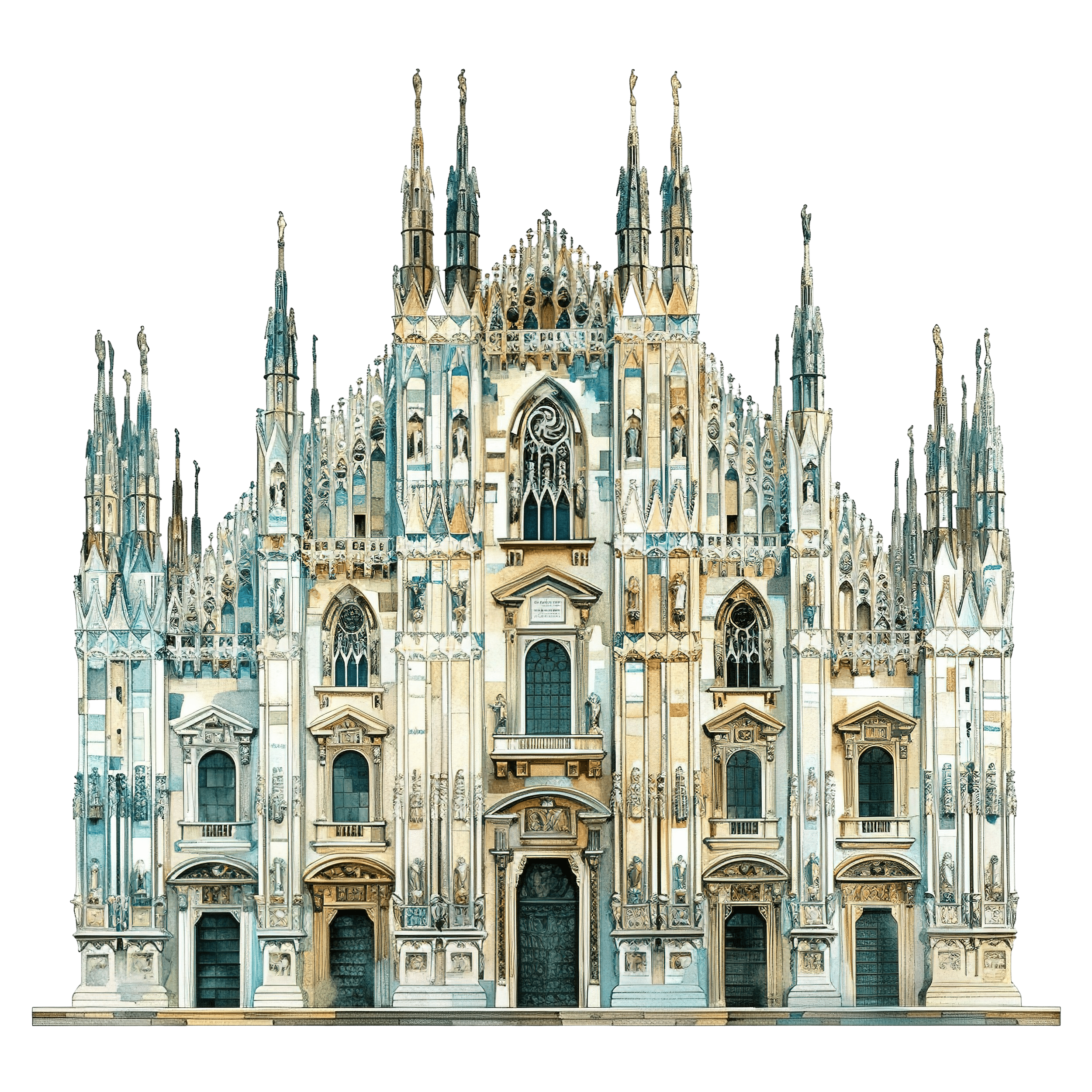
And redevelopment is nothing new. It took some 600 years to complete Il Duomo, Milan’s grand cathedral. Its construction started in 1386 after the demolition of a church built there in 1075 which replaced one built in 378 A.D.
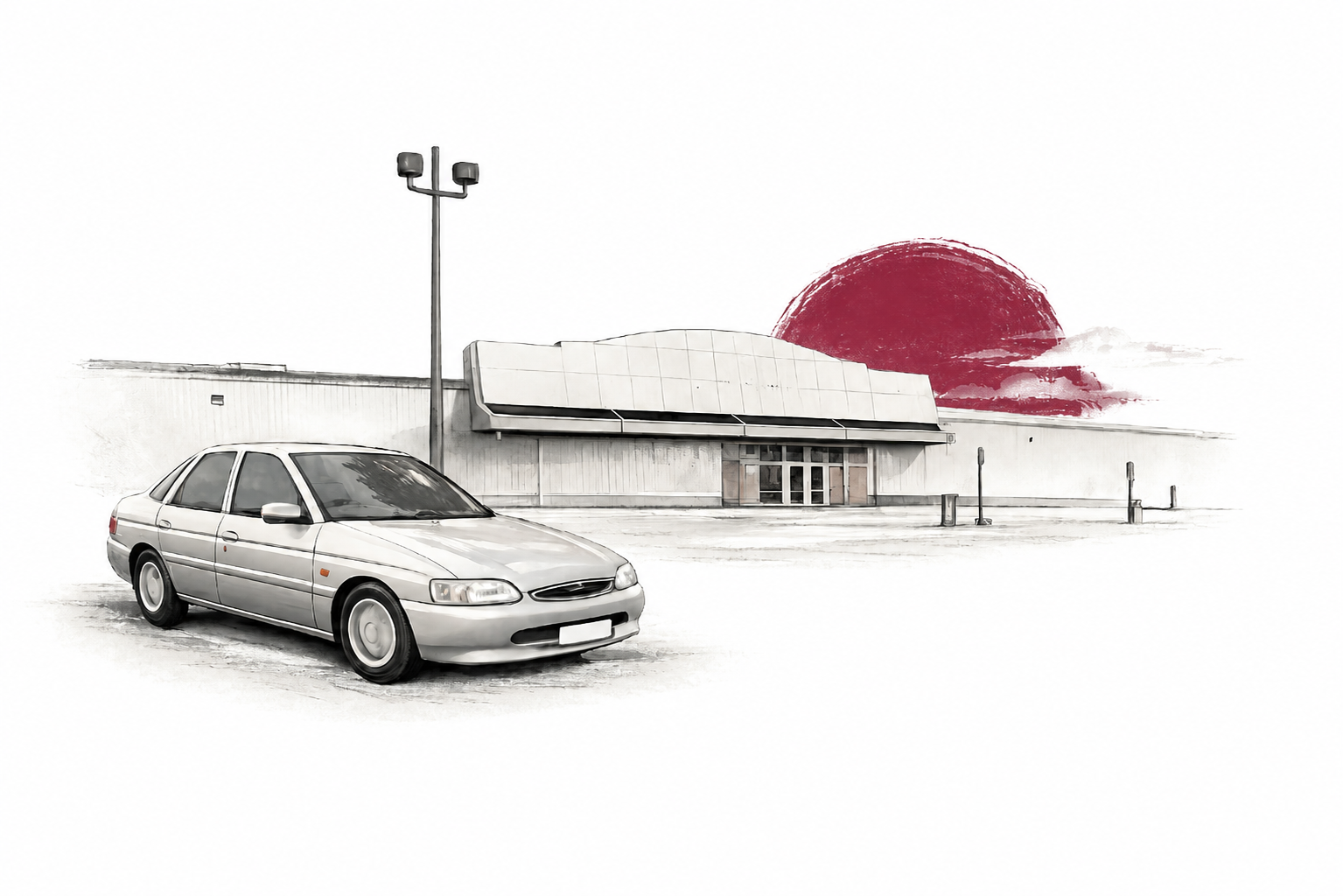
I prefer an old K-Mart or a concrete office building.
These buildings are the Ford Escorts of buildings – not old enough to be cool but just old enough to be obsolete or out of vogue for today’s aesthetic standards.
Why Get in the Redevelopment Game?
When a building is preserved, so is the character of the built environment.
Utilities are often in place.
Renovation removes blight.
The local government sets an example and primes the pump for other property owners to invest in the area.
Redevelopment is how we grow the economy in the built environment, and most of America is the built environment.
Every community has buildings that are soon-to-be obsolete. An intentional focus on redevelopment builds muscle memory to tackle the next redevelopment opportunity.
If a portion of the building is undergoing heavy renovations or demolition, the space becomes a training opportunity for your Police and Fire Departments.
Awakening Possibilities
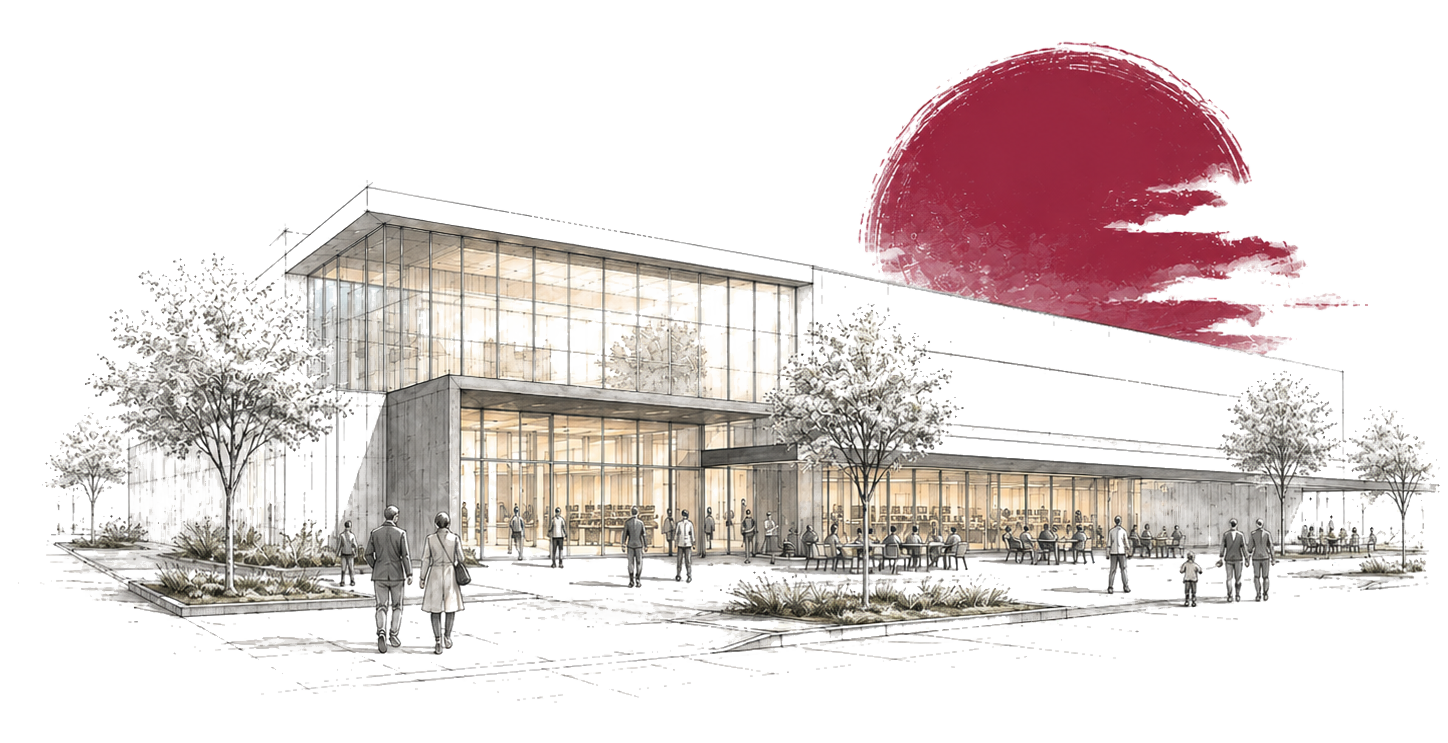
You see an ugly old K-Mart, I see an automotive training facility for our community college.
You see a 1970s concrete monolith office building; I see a new glass skin that draws the eyes to a signature multi-family or co-working space.
Sure, redevelopment is tough: intransigent owners, remediation costs, accessibility upgrades, and political friction around land use. We know the list. So, tackling redevelopment puts us in a league of our own
Let’s step up to the plate together.